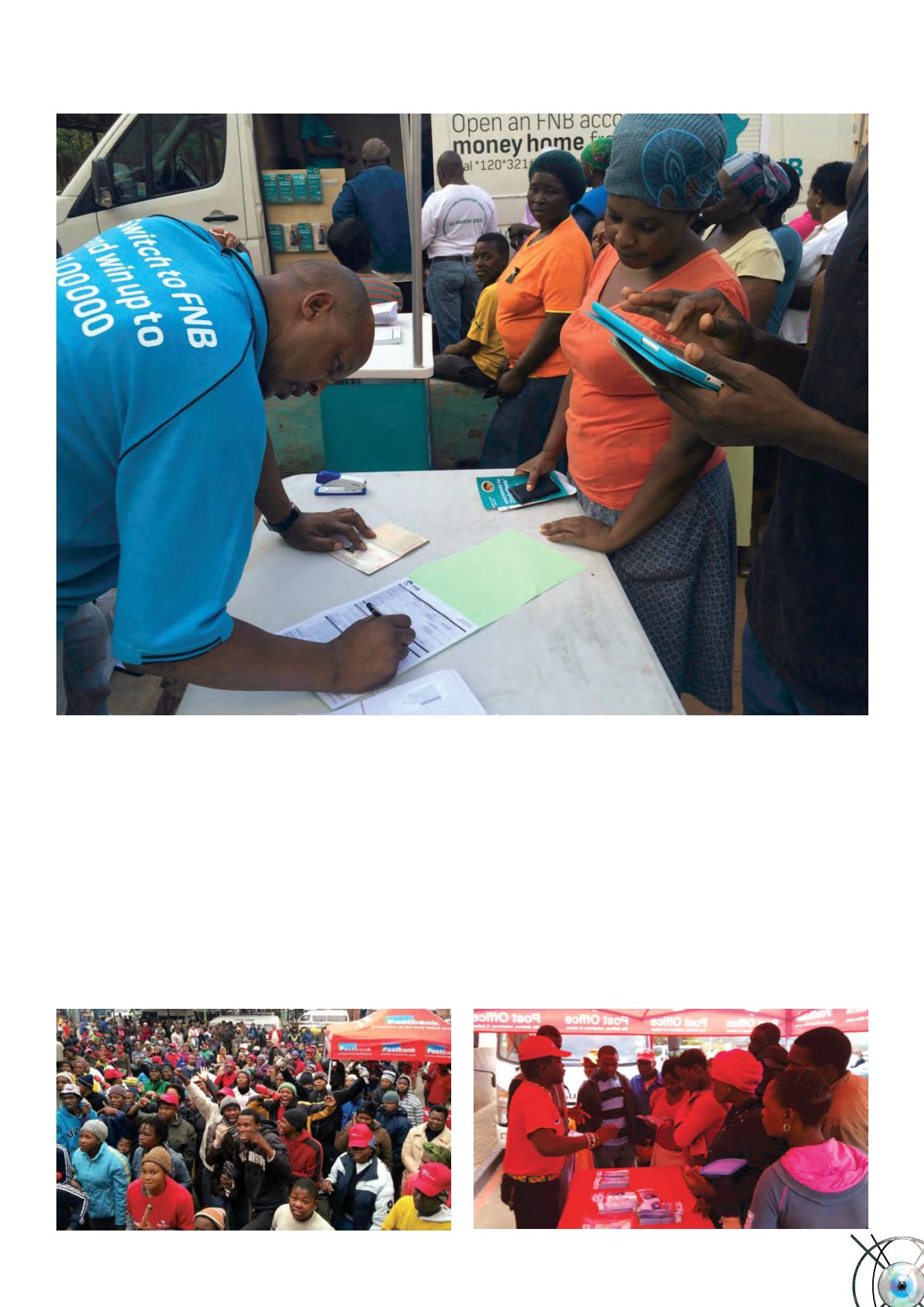
2. The individuals delivering the message need to be properly trained. Brand
damage occurs when brand ambassadors are visibly and audibly clueless
about the subject. They are obviously being paid to reel off a script, often
fumbling over jargon and apologising for their errors. Members of the public
who take time out of their day to stand and listen, leave with no confidence
or affirmative memory.
3. The look and feel of the activation needs to match the perception the client
is trying to create. What you see at point-of-sale, generally represents the
service you’ll receive at a later stage. If you want to be taken seriously, show
some pride in your promotional setup.
4. Potential customers must have an opportunity to ask questions. The
answers need to resolve all concerns and barriers that exist in the mind of
the consumer. This final point is the most important of the lot. Just as we
learn in selling skills training, that exploring and resolving concerns is
fundamental. During a roadshow for the Post Office’s banking division, Post
Bank, I personally witnessed the conversion of a middle-aged woman. I stood
under a Post Bank Gazebo, watching one of our promoters engage with this
woman. He listened to her, he prompted her to elaborate on her concerns. He
identified her needs and wants and then used that knowledge to sell the
product. I saw the penny drop, excuse the pun, as she realised that this new
bank account suited her needs. She was also convinced that she understood
the so-called fine print and T&C’s. Take that new account holder and multiply
it. Numerous trained staff, all engaging your market with the skills required
to ensure sufficient ROI on the client’s spend.
South Africa is a unique country with numerous advertising needs and
opportunities. There will always be a need for the 30 second advert and
the full-colour insert. Nevertheless, marketers need to take a closer look
at the ‘how’ of brand communication and sales.
Nex Media •
Vol 3 Issue 2
21


