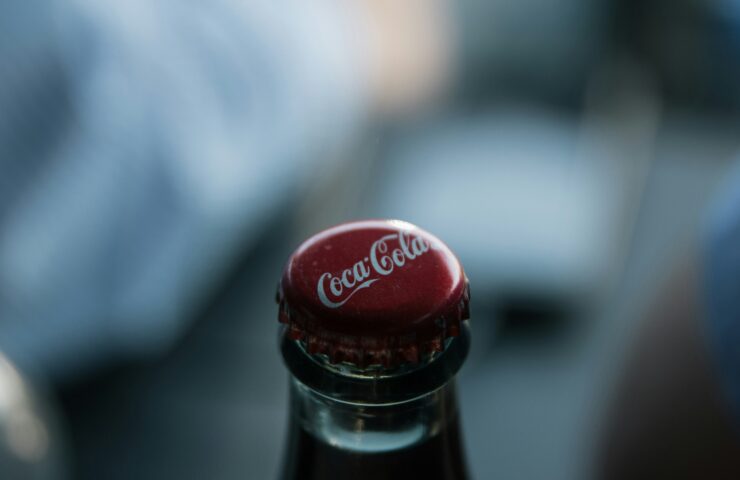
Coca-Cola ad campaigns during Q3 2024 celebrate culture, togetherness and refreshment, reveals GlobalData
Coca-Cola’s advertising campaigns during the third quarter (Q3) (01 July to 30 September) of 2024 showcased a diverse range of strategies tailored to specific cultural contexts and demographics. This targeted approach reflected the beverage giant’s understanding of the diverse needs and preferences of its global consumer base, according to the Global Ads Platform of GlobalData, a leading data and analytics company.
Shreyasee Majumder, Social Media Analyst at GlobalData, comments: ‘From leveraging the excitement of cultural festivals to partnering with other iconic brands, Coca-Cola demonstrated its commitment to connecting with consumers on a deeper level. The company utilised limited-edition products, culturally relevant symbolism and strategic partnerships to enhance brand engagement and drive sales across different markets.’
The campaigns effectively tap into cultural moments and values, ranging from the excitement of K-pop to the traditions surrounding Chinese New Year and the Nepalese festival of Dashain. The strategic partnerships with McDonald’s and Oreo further amplify Coca-Cola’s reach, offering compelling flavour combinations and enhancing the consumer experience.
Below are the key focus areas of Coca-Cola’s advertisements, revealed by GlobalData’s Global Ads Platform:
Limited-edition products and collaborations:
Coca-Cola’s Q3 advertising showcased several limited-edition products, creating a sense of urgency and exclusivity. The “Coca-Cola K-Wave” targeted K-pop fans with a unique flavour and design, while the Oreo collaboration introduced a novel flavour combination and emphasised shared moments of indulgence. These limited-time offerings generated excitement and encouraged consumer engagement through the fear of missing out.
Emphasis on festive celebrations and cultural traditions:
Several ads tapped into the spirit of cultural celebrations. The “Dashain Dhamaka” campaign connected Coca-Cola with the Nepalese festival of Dashain, emphasising togetherness and shared experiences. Similarly, the Chinese New Year campaign associated Coca-Cola with good fortune and family traditions, reinforcing the brand’s relevance in specific cultural contexts.
Strategic partnerships and combo meals:
Coca-Cola strategically partnered with McDonald’s to promote the pairing of a Double Beef Burger with Coca-Cola Zero Sugar. This collaboration broadened reach and presented Coca-Cola as the ideal complement to a satisfying meal. The emphasis on a zero-sugar option also catered to health-conscious consumers, expanding the brand’s appeal.
Visual storytelling and appealing aesthetics:
Across all campaigns, Coca-Cola utilised vibrant visuals, dynamic animation and appetising close-ups to enhance the perceived refreshment and desirability of its products. The use of culturally relevant colours and imagery further amplified the emotional connection with target audiences.
Promotional offers and price discounts:
Several ads highlighted promotional offers and price discounts, creating an immediate incentive for purchase. The Dashain Dhamaka campaign offered a discounted price on 2-litre bottles, while the Chinese New Year campaign offered bonus gifts with purchase. These promotions drove sales and rewarded consumer loyalty.
Majumder concludes: ‘By combining limited-edition products, targeted promotions and culturally relevant messaging, Coca-Cola reinforced its position as a globally recognised and beloved brand.’


By Bonita Christie, Business Unit Director at Digitas The most interesting thing about nostalgia in Bookmark Awards Marketer of the Year: Andrea Quaye

Publicis Groupe Africa is proud to celebrate the recognition of Andrea Quaye, who has been Tractor Outdoor sets a new benchmark for transparency

As legal compliance continues to dominate conversations across South Africa’s out-of-home (OOH) advertising industry, Tractor Premium brands don’t have a quality problem. They have a distinction problem.

By Nomaswazi Phumo, Head of Strategy of Leagas Delaney South Africa Premium brands have become Toyota SA launches the all-new bZ4X and It Just Got Real
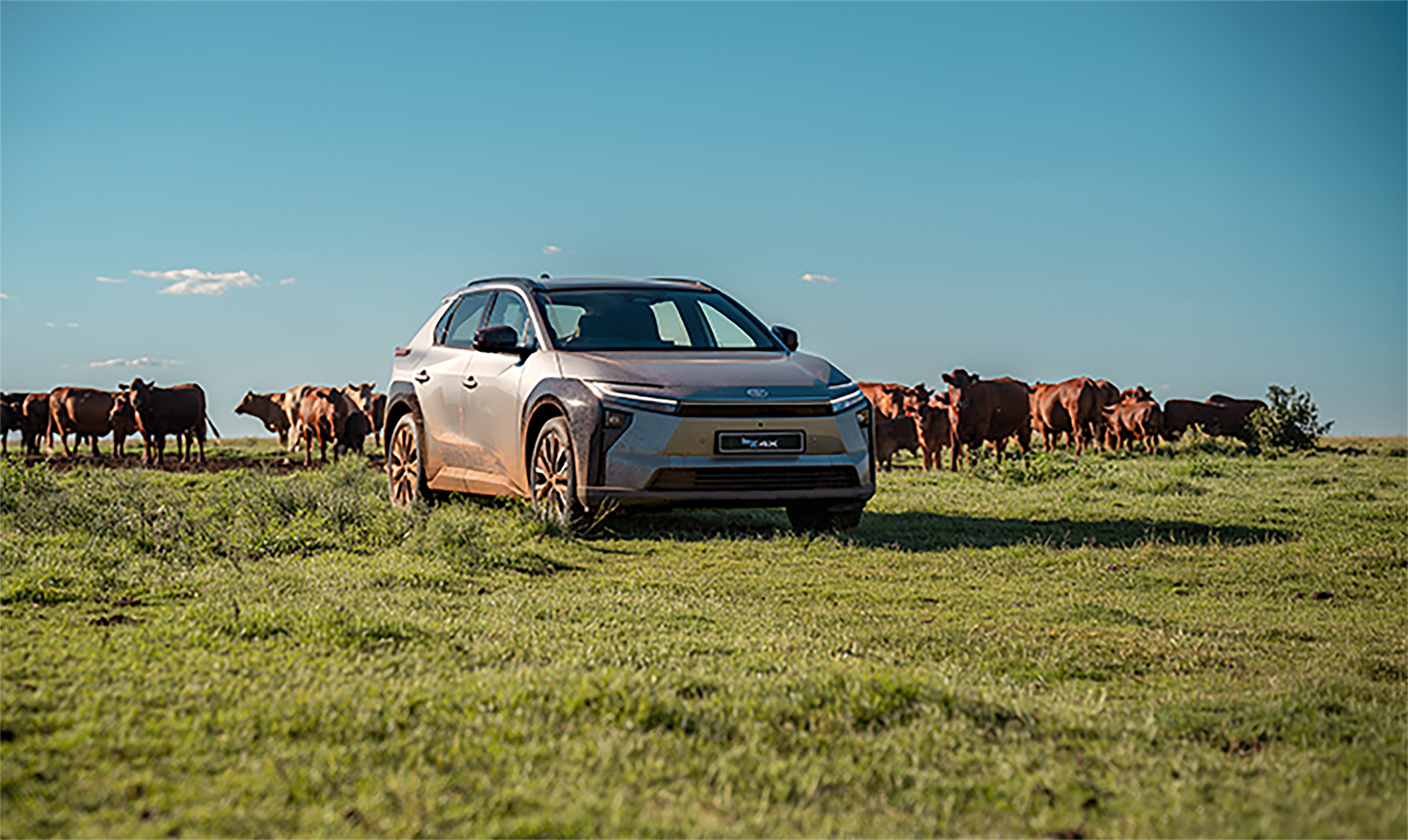
Picture any electric car ad that you’ve seen before. It’s calm. It’s clean. It’s sterile. rAge and Mettlestate join forces to shape South Africa’s next great gaming festival

South African gaming is entering a new era. After more than two decades as the ICASA licence amendment unlocks HOT 102.7FM’S next growth chapter

HOT 102.7FM has secured a significant amendment to the programming format of its commercial broadcasting Outdoor Network expands digital billboard network with four fully approved sites
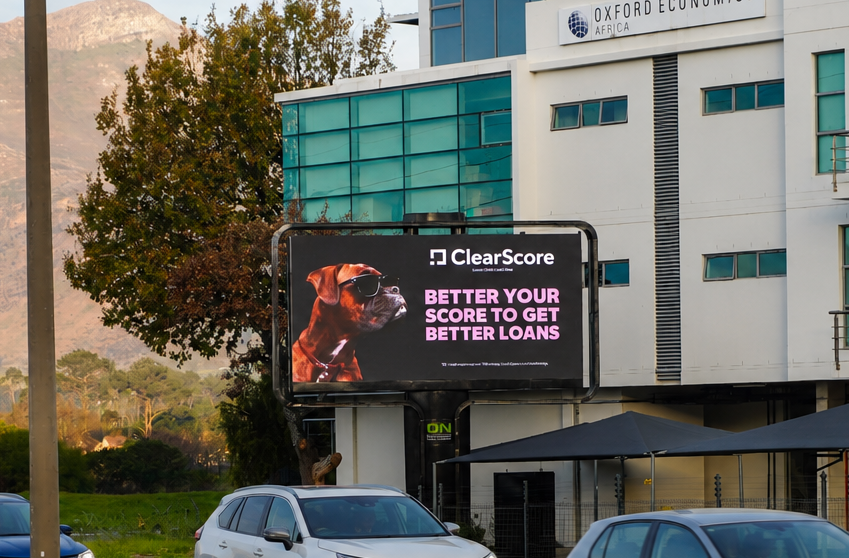
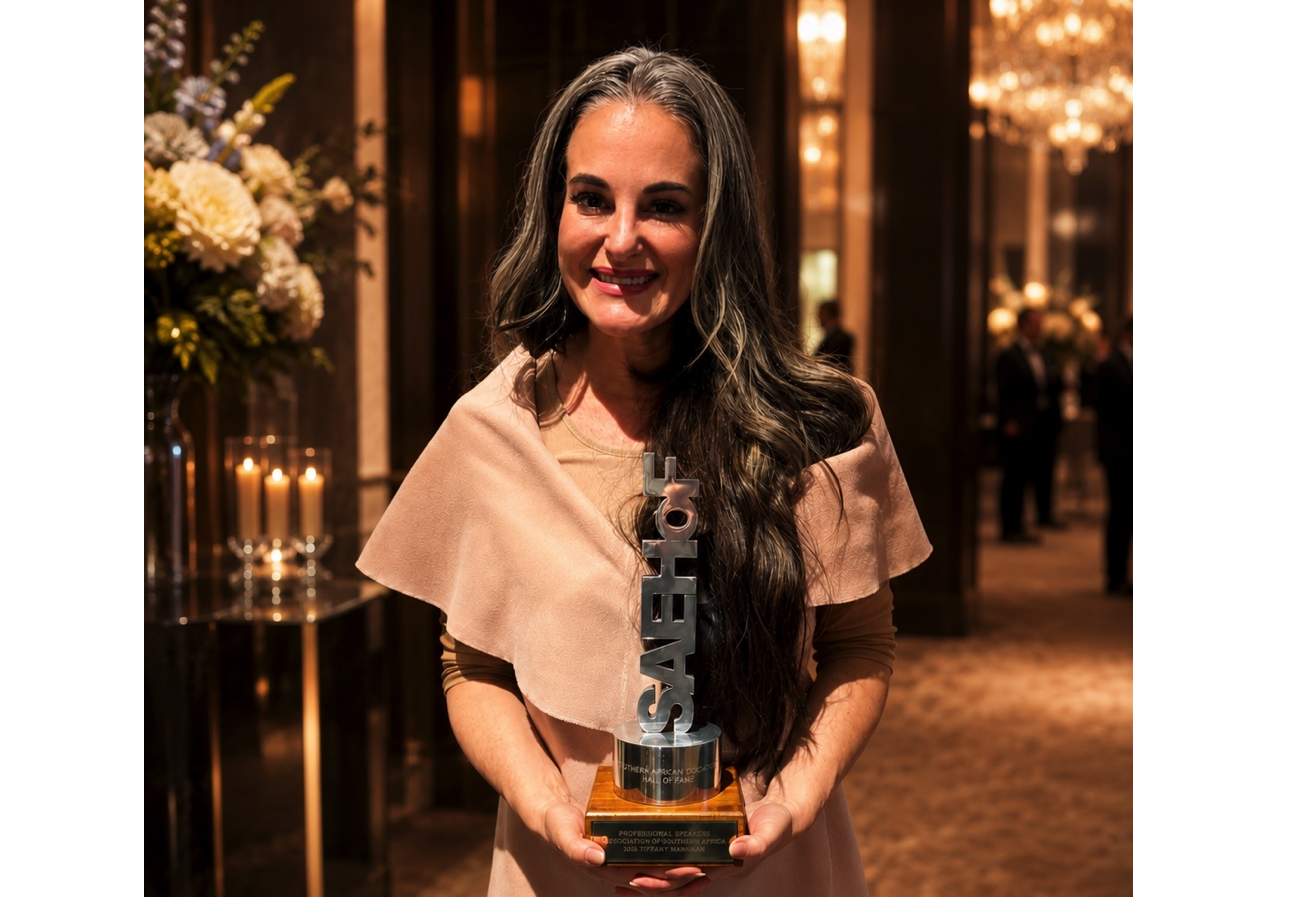
Outdoor Network, a division of the Provantage Group, is expanding its national digital out-of-home (DOOH) SA educator receives lifetime honour for advancing workplace communication
What makes someone memorable in business? Increasingly, it’s the ability to communicate ideas clearly, teach Africa’s marketing leaders to converge in Zambia as AI and trade rules reshape the industry