Marketing and creative trends to watch for in 2026
Dr Elaine van Wyk, Group Chief Marketing and Sales Officer at IMM Graduate School
As 2025 draws to a close, marketing and creative industries are at a pivotal moment. This was a year of recalibration: tighter budgets, deeper debates about value and a renewed focus on long-term brand health.
Global geopolitics, particularly at the G20 Summit, injected fresh momentum into the way we approach creativity. It also reshaped thinking around data management and cultural strategy.
What unfolded in 2025
The year brought a noticeable change in how the marketing and creative fields operated. Teams adjusted to tighter financial conditions and explored new ways of working with technology. At the same time, audiences demanded clearer value from the content presented to them.
These pressures shaped the way brands approached strategy, creativity and data. The result was a year defined by recalibration. Long-term thinking began to regain ground and the industry shifted toward steadier, more intentional practices.
– Brand building rebounds:
After years of over-indexing on short-term performance, many companies rebalance brand narratives that stick. Those who doubled down on consistent, values-driven storytelling saw stronger resonance in a saturated market.
– Artificial intelligence (AI) matured:
Creative teams didn’t rely on blind automation as they may have done in the past. Instead, they used AI for ideation, research and testing, while humans retained final decision-making, a balance that will likely shape 2026 marketing.
– Audience fatigue, but opportunity:
Short-form videos remain dominant, but audiences have grown weary of broken loops and low-substance content. Brands that slowed down, simplified messaging and leaned into visual authenticity got higher engagement.
– Creator partnerships deepened:
Small creators, niche, community-rooted and trusted, became more valuable than mega influencers. These partnerships are now playing a bigger role in early-stage conception.
– Privacy and data reset:
The erosion of third-party tracking continued. Savvy teams focused on first-party data and ethical consent strategies, cultivating more authentic and lasting relationships with their audiences.
G20 Summit 2025: A creative and cultural inflection point
The 2025 G20 Summit, held in Johannesburg, brought some surprisingly relevant developments for marketers and creatives. Here are the key moves and why they matter for 2026:
Elevating culture & creative industries
– During preparatory Culture Working Group meetings, G20 delegates pushed to integrate cultural policy into economic development agendas.
– There was a strong call for fair pay, intellectual property protection and better labour rights within the creative sector.
– Africa made a case for investing in its creative economy, from fashion and music to digital arts, as a driver for innovation, jobs and identity.
– Recognising the role of technology, the summit emphasised using digital tools (AI, VR/AR) to preserve and promote cultural heritage.
Media integrity & information trust
– At the M20 (media track of the G20), global media leaders warned of an “information integrity crisis” driven by AI, disinformation and shrinking independent journalism.
– Their declaration urged G20 leaders to support press freedom, mechanisms for fair compensation when media content is used to train AI and stronger transparency.
– This aligns directly with marketing ethics: brands will need to navigate an ecosystem where data, content and trust are more intertwined than ever.
Tourism, Tech & Creators
– The Tourism Working Group agreed on people-centered AI to help tourism start-ups and small businesses.
– Boosting digital innovation in tourism, especially in underrepresented markets, became a shared priority, suggesting opportunities for creative storytelling, content partnerships and locally rooted campaigns.
Global Creative Economy Agenda
– A Task Force on the creative economy proposed that the G20 elevate the value of intellectual property, supporting creators globally.
– The task force aims to build a more inclusive, resilient creative economy, one where IP rights are respected, informal creative workers are better supported and governments invest strategically.
What does this mean for 2026
The shifts seen in 2025 now lay the groundwork for the year ahead. Many of the pressures that influence the industry will continue, but their direction is becoming clearer. Brands are preparing an environment that values stable identity, careful use of technology and stronger relationships with audiences.
The lessons of the past year point toward potential changes in 2026. The year ahead is likely to be shaped by clearer priorities and a more deliberate approach to creative and strategic work.
– We can expect brands to lean into purpose-led creativity more than ever. With G20-level support for culture, the creative economy is being framed not just as entertainment, but as a socio-economic engine.
– There will likely be more cross-border collaborations: think creators and agencies from Africa, Asia and beyond working in partnership, driven by the push for cultural and digital equity.
– Media strategies will need to account for the tension between trust and reach. As information integrity becomes a G20 priority, brands may be judged not just on how loudly they speak, but by how responsible they are.
– The use of AI in creative work will most likely deepen, but under stricter ethical expectations. G20-level talk about media training data and fair compensation could affect how platforms and brands negotiate content rights.
– Tourism and place-branding campaigns may incorporate creative storytelling and immersive digital experiences (augmented and virtual reality tools) to align with global priorities around sustainable development and cultural heritage.
– We can expect tensions between the US and South Africa, following South Africa’s exclusion from the G20 by the Trump administration.
Looking ahead
2025 was the start of a broader reckoning. The G20 Summit gave formal weight to the power of culture, creativity and media integrity in the global economy.
Going into 2026, the brands that thrive will treat creativity as a core strategy, which underpins sustainable growth, social impact and global engagement.


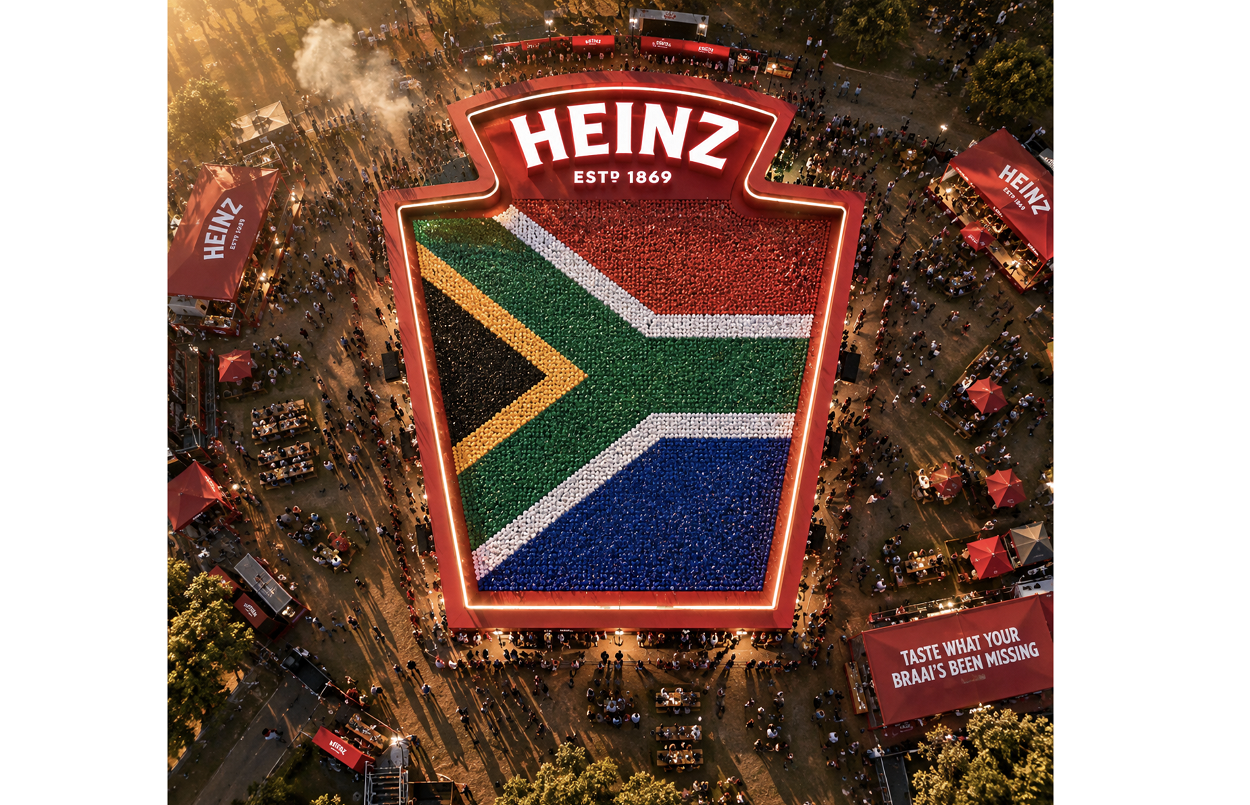
Heinz is bringing more than 150 years of heritage to South Africa with a Heinz Before you rewrite the strategy, check whether execution is the real problem

By James Hughes, Business Coach at Grow Leaders are often too quick to blame the Provantage changes the question with Programmatic-Enabled Digital Place-Based Networks
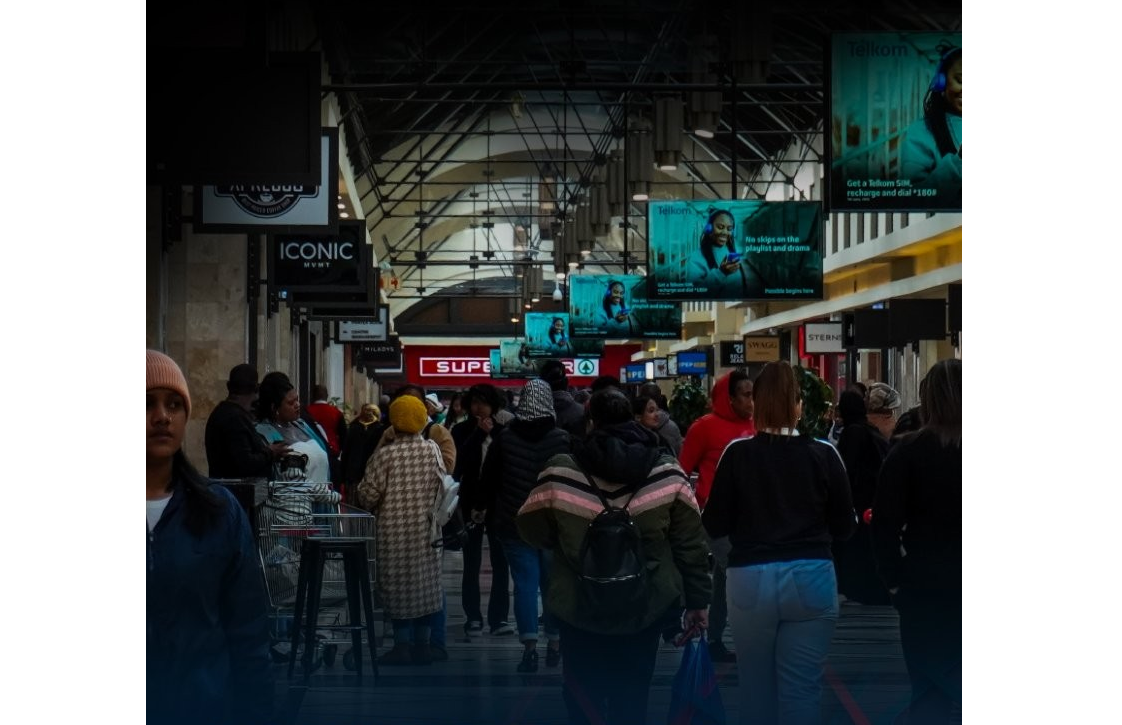
Provantage’s launch of programmatic buying on Mall TV, the first of its Digital Place-Based Networks Why TVCs still matter in a hyper-digital world
In a world of scrolling feeds, six-second videos, personalised algorithms and audiences moving constantly between Menlyn Park Shopping Centre takes home 14 awards at 2026 SACSC Footprint Marketing Awards

Menlyn Park Shopping Centre has taken home 14 awards – including one Gold, nine Silver Why Kaya 959 backs the case for continued marketing investment
Every recession produces the same instinct: when budgets tighten, marketing is the first line cut. The real test of agentic AI is accountability, not autonomy

By Nicol Germishuis, vCIO at IPT When businesses talk to me about agentic AI, the Navigating the intersection of sanctions and international arbitration

By Trevor Versfeld (partner), Chandni Gopal (partner) and Katy Hindle (consultant) at Webber Wentzel It Employee engagement runs on an emotional contract

By Lianne Booth, Strategic Projects Director at Achievement Awards Group Every employee signs a formal Why businesses must shift focus from printer price to total cost of ownership